Oregon is in the midst of a youth mental health crisis, and the data confirms what providers see every day.
Nearly 1 in 4 children in Oregon has experienced depression, and 1 in 10 has experienced a substance use disorder. Our state ranks near the bottom nationally for youth mental health, while need remains among the highest in the country. Families are struggling to find providers, and gaps in access continue to grow.
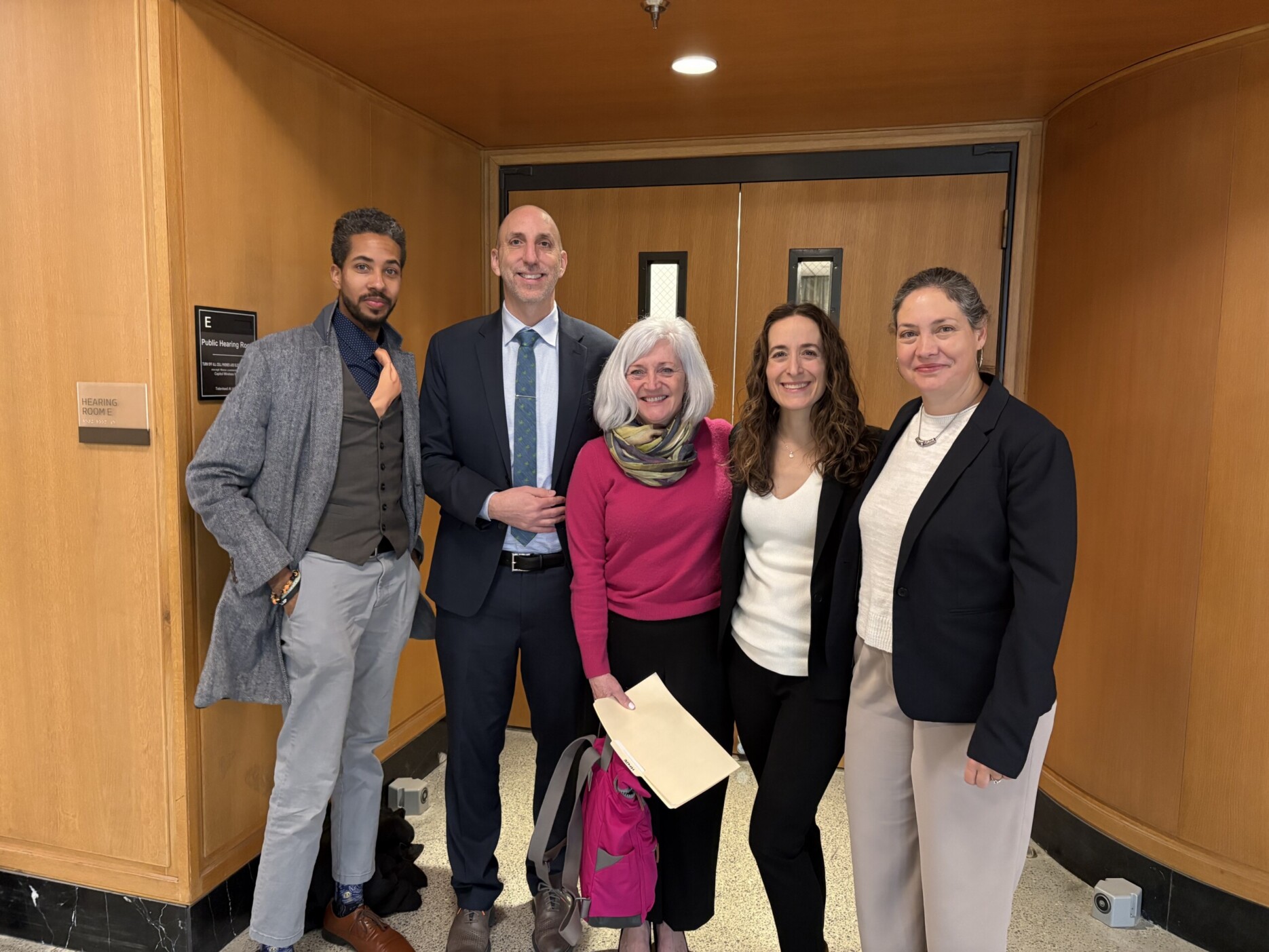
That’s why our CEO, Nick Gallo, was proud to testify alongside Dr. Kate McLaughlin, Executive Director of the Ballmer Institute for Children’s Behavioral Health, in support of Senate Bill 1547 — legislation focused on practical, action-oriented solutions to increase equitable access to care for young people across Oregon.
SB 1547 reflects more than a year of rigorous analysis and deliberation by a statewide advisory council whose priority is to meet youth needs while maintaining safety, quality, and accountability. The bill recommends creating a new state-issued license for behavioral health and wellness practitioners — adding bachelor-level providers to care teams.
This new credential would:
• Expand access to care in the places kids already are — schools, primary care clinics, and community mental health agencies
• Support early intervention and brief services that prevent escalation into crisis
• Create a clear, attainable pathway into the workforce for undergraduates with 700+ hours of applied, supervised training
• Maintain strong safeguards, including required supervision and team-based practice
• Help Oregon grow and diversify its behavioral health workforce
• Allow licensed clinicians to practice at the top of their license
At Morrison, we are already seeing the impact of workforce shortages — increased demand, burnout across the system, and children waiting too long for care. Through our partnership with the Ballmer Institute, we’re piloting client-driven, outcome-focused, team-based care models that integrate licensed professionals and emerging providers.
SB 1547 is a thoughtful, fiscally responsible step forward. Its impact is minimal from a budget perspective, but transformational for access, workforce sustainability, and health outcomes.
We’re grateful to the legislators who advanced this bill and to the Senate committee for moving it forward. Morrison remains committed to advocating for solutions that address the root causes of our behavioral health challenges — and help more children and families get support when they need it most.